文明的典藏:往昔異鄉 Past Is a Foreign Land
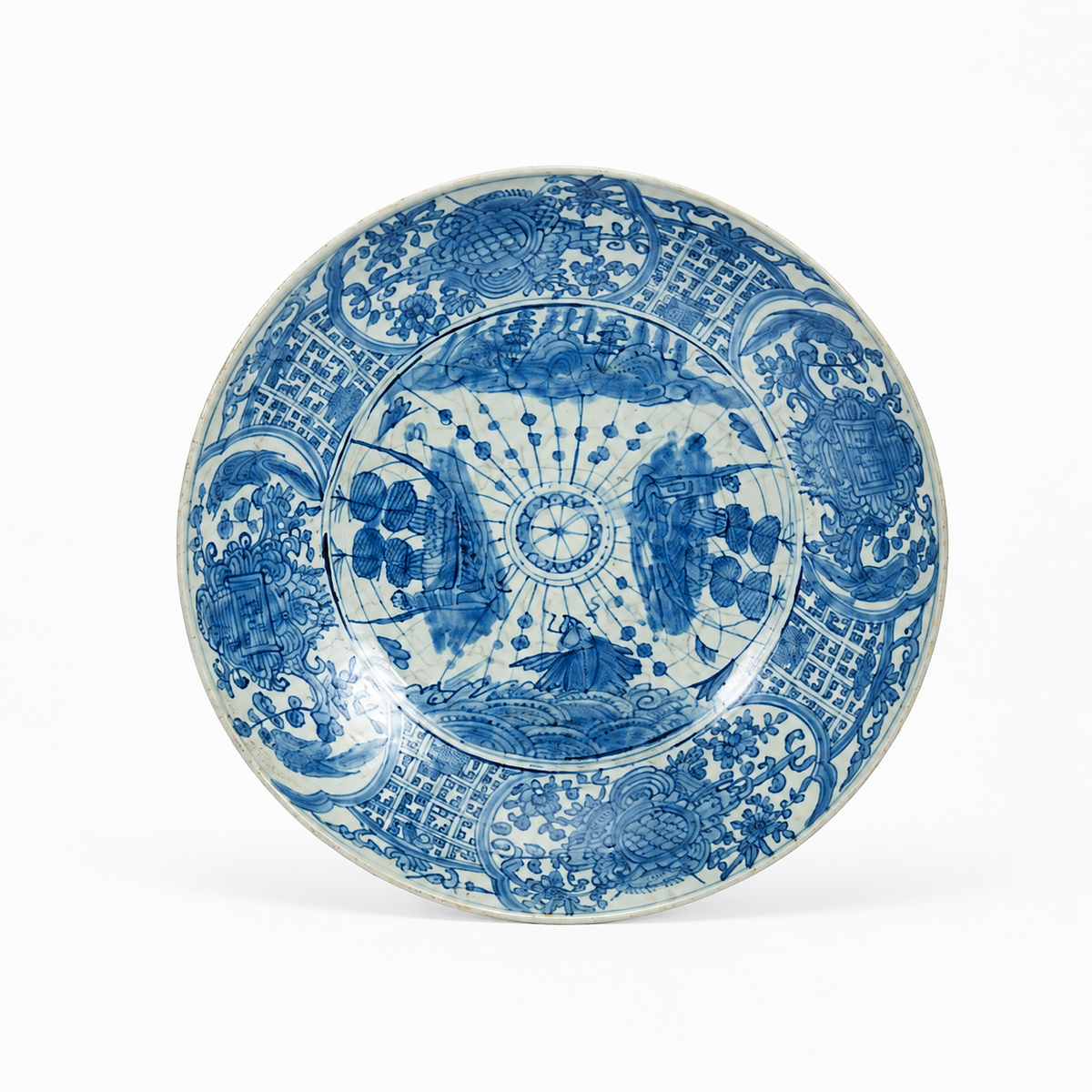
《往昔異鄉》(Past is a Foreign Land) 探索人類文明如何透過材料保存記憶,並且呼應此次碳矽之間的主題,展出十七、十八世紀源自福建的漳州窯和泉州的德化瓷見證臺灣的移民文化。
陶瓷是碳與矽之間最古老的媒介—以炭火作為燃料、由石英、長石、高嶺土等富含矽元素的礦物高溫燒製而成,最後透過陶工的巧思捏塑出作品,承載跨越海洋的貿易與文化流動,成為人類不朽的記憶;正如今日矽晶經精密製程成為晶片,兩者皆源於相同的物質基礎,只是承載了不同時代的人類智慧。
與之並置的是蔡玉珊教授近年創作的織帶作品,展出的五條織帶由「卡片梭織」此一古老技法所織成,為人類在古文明遠古時代便有的編織技法—如中亞、歐洲、埃及、中國等地皆有考古挖掘出這項技術的相關遺物。透過穿孔板的轉動去變換經線的上下位置,加上緯線固定,即可創作。
蔡玉珊教授長期研究臺灣原住民族織品,退休後將重心轉至卡片梭織,創造了一系列的當代創作,描繪臺灣野鳥、桐花季、世界棒球經典賽,以及希臘小提琴家友人、自家的庭園植物等生命經驗。這些題材皆來自真實世界中的人、植物與動物,象徵碳基生命持續創造文化的能力。
當人類創作遇見人工智慧生成,當古代碳矽陶瓷遇上當代創作,本展希望思考:文明並非停留於過去,而是在碳與矽之間,持續被保存、轉譯與再生。
Past is a Foreign Land explores how material culture preserves human memory across time while responding to the central theme of Between Carbon and Silicon. The exhibition presents seventeenth-century Zhangzhou and eighteenth-century Dehua ceramics, both produced in Fujian, China, as witnesses to Taiwan's history of migration and maritime exchange.
Ceramics represent one of the oldest media between carbon and silicon. Fired with carbon-based fuel and formed from silica-rich minerals—including quartz, feldspar, and Kaolin—they are transformed through intense heat before being shaped by the hands of the potter. These vessels carried trade, ideas, beliefs, and cultural exchange across the seas, becoming the enduring records of human civilization. In much the same way that refined silicon today undergoes highly precise fabrication to become semiconductor chips, both ceramics and microchips originate from the same material foundation yet embody the knowledge and technological achievements of different eras.
Displayed alongside these historical ceramics are five contemporary tablet-woven bands by Professor Yushan Tsai. Created by using tablet weaving, an ancient textile technique documented archaeologically across Central Asia, Europe, Egypt, and China, these works demonstrate how intricate patterns can be produced using only perforated cards and threads.
After decades of research on the textiles of Taiwan's Indigenous peoples, Professor Tsai turned her attention to contemporary tablet weaving following her retirement. Her recent works depict Taiwan's native birds, the Tung Blossom Festival, the World Baseball Classic, a Greek violinist friend, and plants from her own garden. Rooted in lived experience, these subjects celebrate the creativity of carbon-based life—people, animals, and plants—and its enduring capacity to generate culture.
By bringing together human craftsmanship and AI generation, historical ceramics and contemporary textile art, Past is a Foreign Land invites visitors to consider that civilization does not belong solely to the past. Rather, it continues to be preserved, translated, and regenerated between carbon and silicon.
 Ariel
Ariel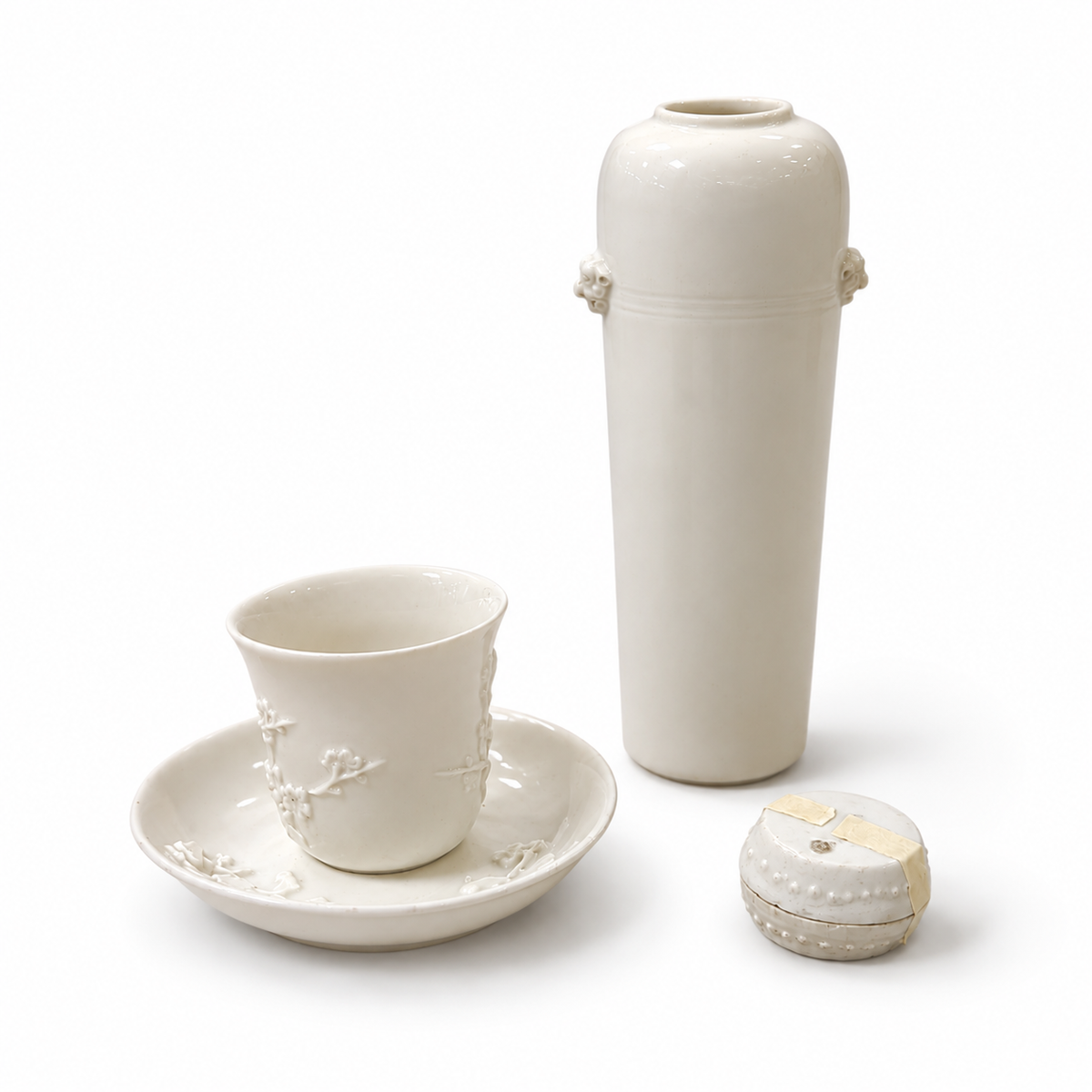
 Ariel
Ariel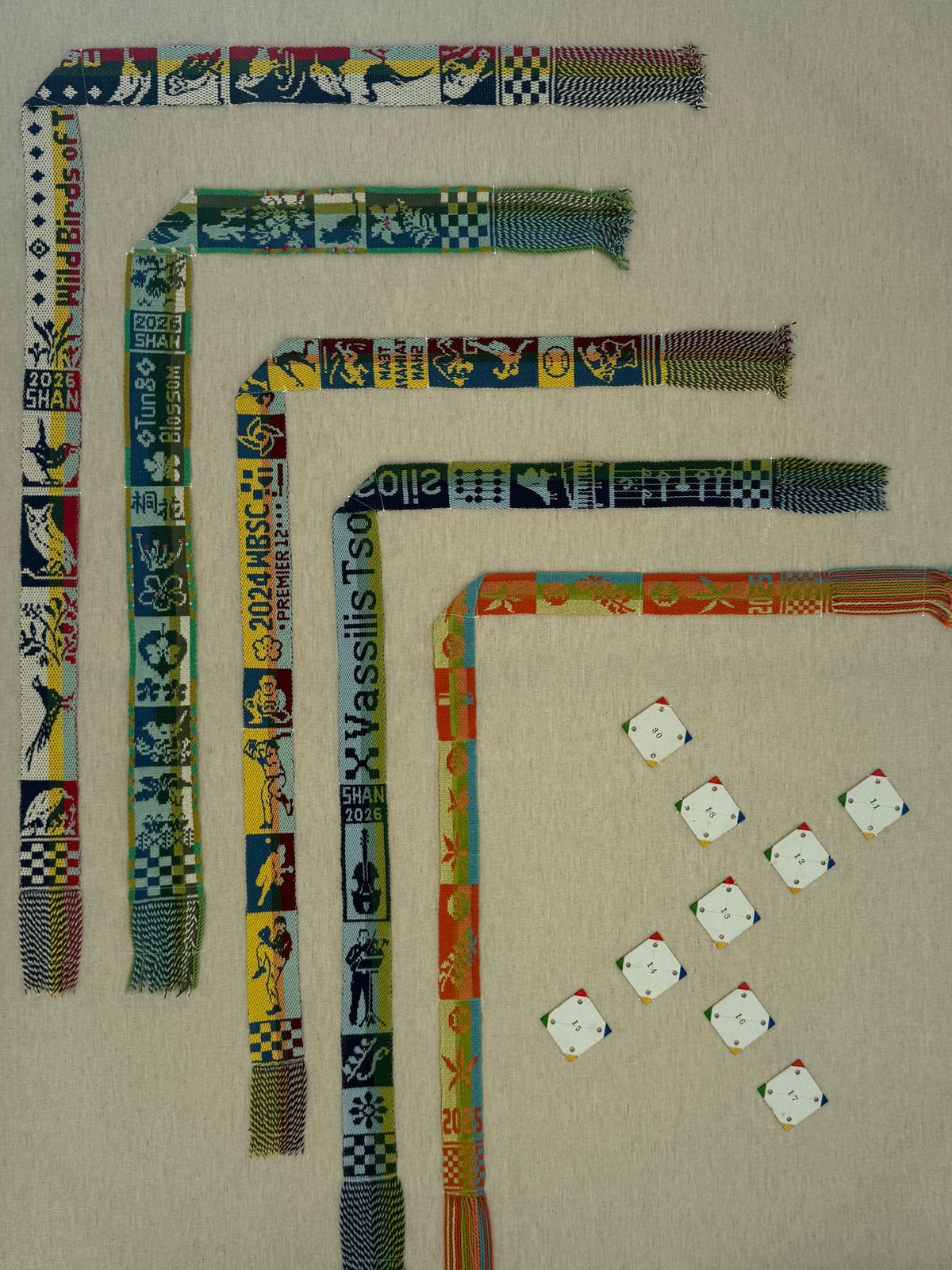
 Ariel
Ariel